What Is a Florida Foreign Entity and When Registration Is Required
Foreign Refers to Origin, Not Geography
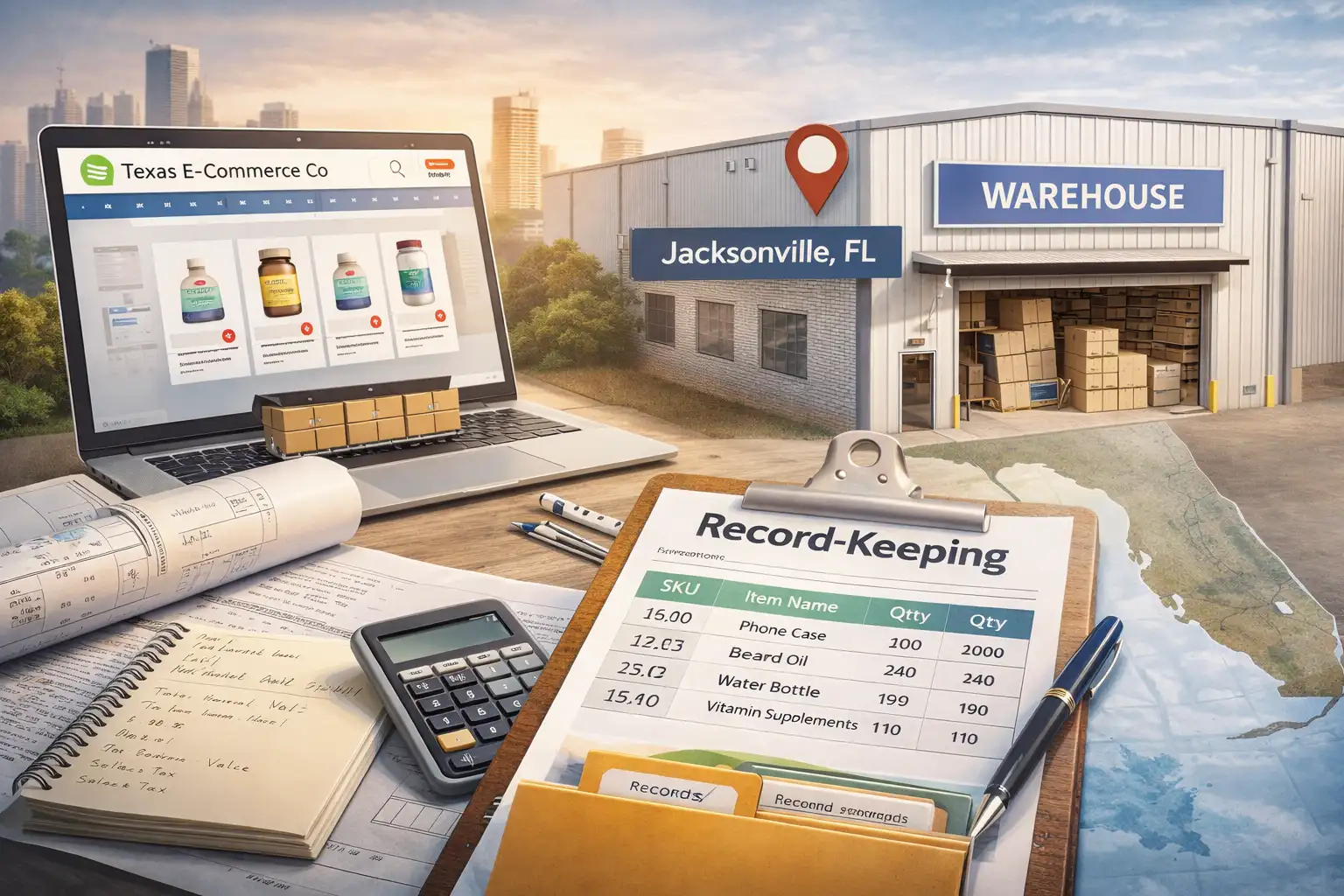
In Florida business law, a foreign entity is a company formed under the laws of another state or country. It now wants to do business in Florida. The term confuses people, because it does not mean international. Take a company formed in Texas or Delaware. Once it begins operating in Florida, the state calls it "foreign."
When Business Activity Triggers Registration
Foreign entity registration is often called foreign qualification. You need it once your business builds a real working presence in the state. That can mean opening a physical office or hiring employees who work in Florida. It can also mean keeping inventory in a warehouse, or signing contracts in the state on a regular basis. No single act triggers the rule. A pattern of ongoing commercial activity does.
Registration Protects Legal Continuity
Requirements, Filing Fees, and Processing Time for Florida Foreign Entity Registration

Documentation Confirms Legitimacy Across States
To register a foreign entity in Florida, you typically submit an Application for Authorization to Transact Business. Send supporting paperwork from your home jurisdiction too. The key piece is a certificate of existence or good standing. It comes from the state where the company was first formed. That paper shows the entity is active and compliant. Florida wants the proof before it lets you work inside its borders. The rule builds a legal bridge between two state registries.
Register in another state
We prepare it, file it with the agency, and confirm it came back accepted. Or keep reading and file it yourself; this guide covers both.
Filing Fees Are Predictable but Depend on Entity Type
Florida's filing fees for foreign entity registration depend on your structure. The fee differs for an LLC, a corporation, or another setup. The fee itself is simple enough, but budget for the other costs too. Those include document preparation, registered agent services, and certified copies from the home state.
Processing Time Reflects Administrative Accuracy
Ongoing Compliance and Consequences of Not Registering a Foreign Entity
Compliance Extends Beyond Initial Approval
Registering in Florida is not the end of the work. The compliance work runs for the life of the business. Keep an active registered agent. Keep your company details current with the state. File the annual reports you owe, so you hold on to good standing. Foreign entities carry two layers of compliance at once. One sits in the home state, the other in Florida. Let either one lapse and the entity may struggle to work across state lines.
Operating Without Registration Creates Legal Friction
Some businesses start working in Florida before they finish foreign registration. They assume they can fix the problem later. Activity may carry on for a while. But unregistered entities run into obstacles they did not expect. Courts may limit the company's ability to enforce contracts,
Compliance Preserves Cross-State Credibility
Register in another state
We prepare it, file it with the agency, and confirm it came back accepted. Or keep reading and file it yourself; this guide covers both.
This guide is written from the official sources below. Fees, forms, and deadlines change. Confirm the current requirement with the agency before you file.
Disclosure. File.Business is a private filing service, not a government agency and not a law firm. We prepare and submit filings at your direction, and nothing on this page is legal or tax advice. Filing fees, deadlines, and statutory references are current as of the last-updated date shown above and can change. Confirm current requirements with the relevant state agency before you file.